



The Synthetic Trap: Sourcing Genuine L-Theanine 98% (Green Tea Extract) Without Being Scammed
I write these notes directly from our botanical extraction floor. Right now, the beverage and supplement industry is absolutely obsessed with "focus" and "calm energy". Everyone is stacking heavy caffeine with L-Theanine. But here is the dirty secret of the supply chain: A massive chunk of the "Natural Green Tea Extract" L-Theanine hitting the market right now is actually a cheap synthetic or fermented chemical. Let's cut through the marketing noise, look at the actual biochemistry, and learn how to audit a COA so your brand doesn't get sued for false "Clean Label" claims.
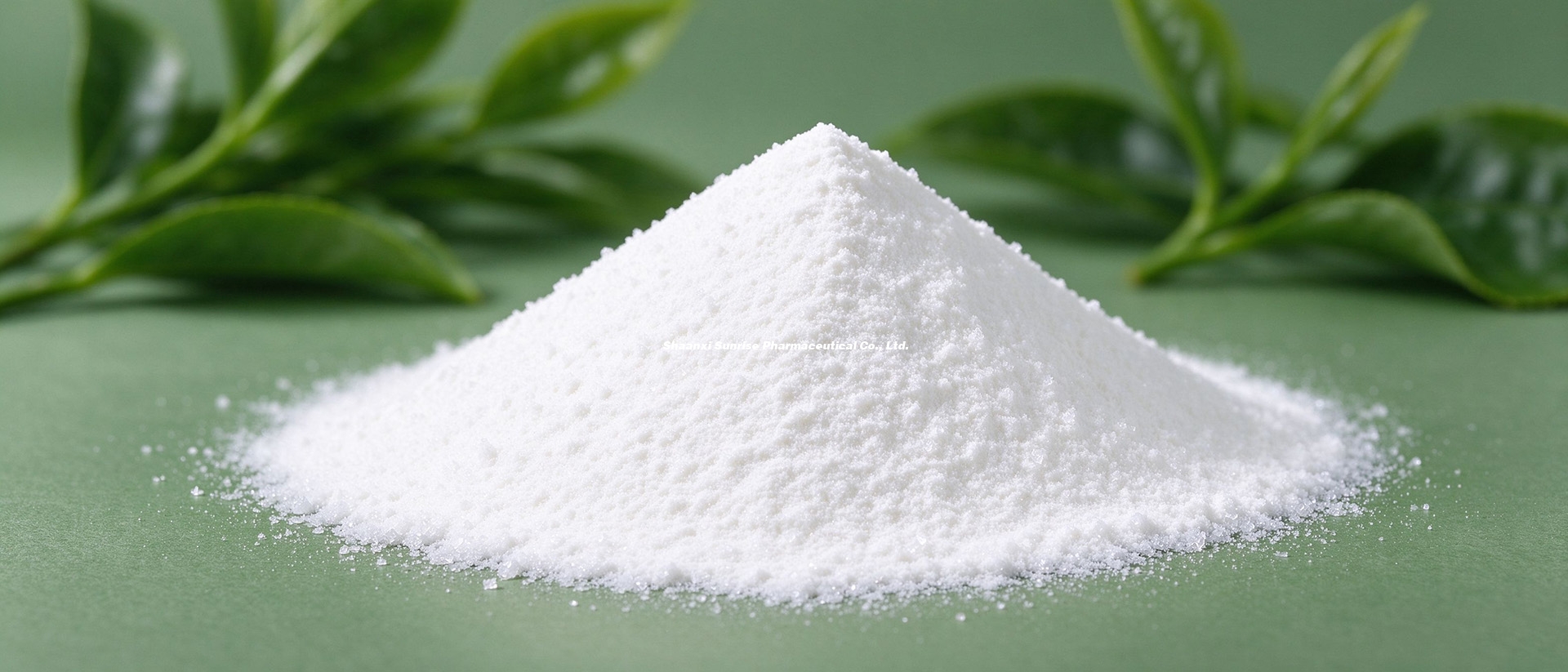
The Formulation Reality: L-Theanine is a unique, non-protein amino acid naturally found in Camellia sinensis (Green Tea). It is famous for crossing the blood-brain barrier and promoting Alpha brain waves—giving users a sense of alert relaxation without drowsiness. When paired with caffeine, it completely eliminates the "jitters" and the post-workout crash.
The problem? Extracting pure L-Theanine directly from green tea leaves is expensive. You need massive volumes of high-quality tea leaves to isolate a 98% pure powder. So, chemical factories started synthesizing it using ethylamine and L-glutamine, or producing it via bacterial fermentation. They label it "L-Theanine 98%" and sell it for a fraction of the cost. If your label claims "Derived from Natural Green Tea," putting synthetic material in the bottle is a massive liability.
The Chemistry: Natural L-Isomer vs. Synthetic Racemic Mixtures
Why do premium brands insist on natural extraction? Because biology builds molecules differently than a chemical reactor does.
The Pure L-Isomer (Natural)
In nature, green tea only produces the L-isomer of theanine. This specific spatial arrangement is exactly what the human brain's receptors are adapted to recognize and utilize. When we extract it using water and ethanol, you get 100% biologically active L-Theanine without bizarre chemical byproducts.
The D-Isomer Contamination (Synthetic)
When L-Theanine is synthesized in a lab cheaply, the reaction often produces a "racemic mixture"—meaning it creates a 50/50 mix of L-Theanine and D-Theanine. The human body does not use D-Theanine effectively. While high-end synthesis can separate them, cheap brokers leave the D-isomer in, meaning your "98% powder" might only be half effective.
Reading the COA Like a QC Chemist
When you pull our Certificate of Analysis for L-Theanine 98% Powder, you are reviewing a legitimate botanical extract. Here is how you spot the difference between real and synthetic.
| Analytical Parameter | The Factory-Floor Translation |
|---|---|
| Assay: ≥ 98.0% (HPLC) | Verified via High-Performance Liquid Chromatography. You are buying the isolated amino acid, not a crude green tea powder full of heavy catechins and caffeine. |
| Specific Rotation [α]D | +7.5° to +8.5°. This is the golden metric! This chiral test proves the powder consists purely of the active L-isomer. Synthetic racemic mixtures will fail this test miserably. |
| Botanical Origin | Camellia sinensis (Leaf). The true, authentic source. If a supplier's COA leaves the botanical source blank or says "fermentation source," you aren't buying a plant extract. |
| Caffeine Content | ≤ 0.5%. Because we extract this from green tea, we have to meticulously strip the natural caffeine out so formulators can control their own stimulant ratios. |
[SYSTEM WIN] // The Formulation Dream: 100% Water Solubility
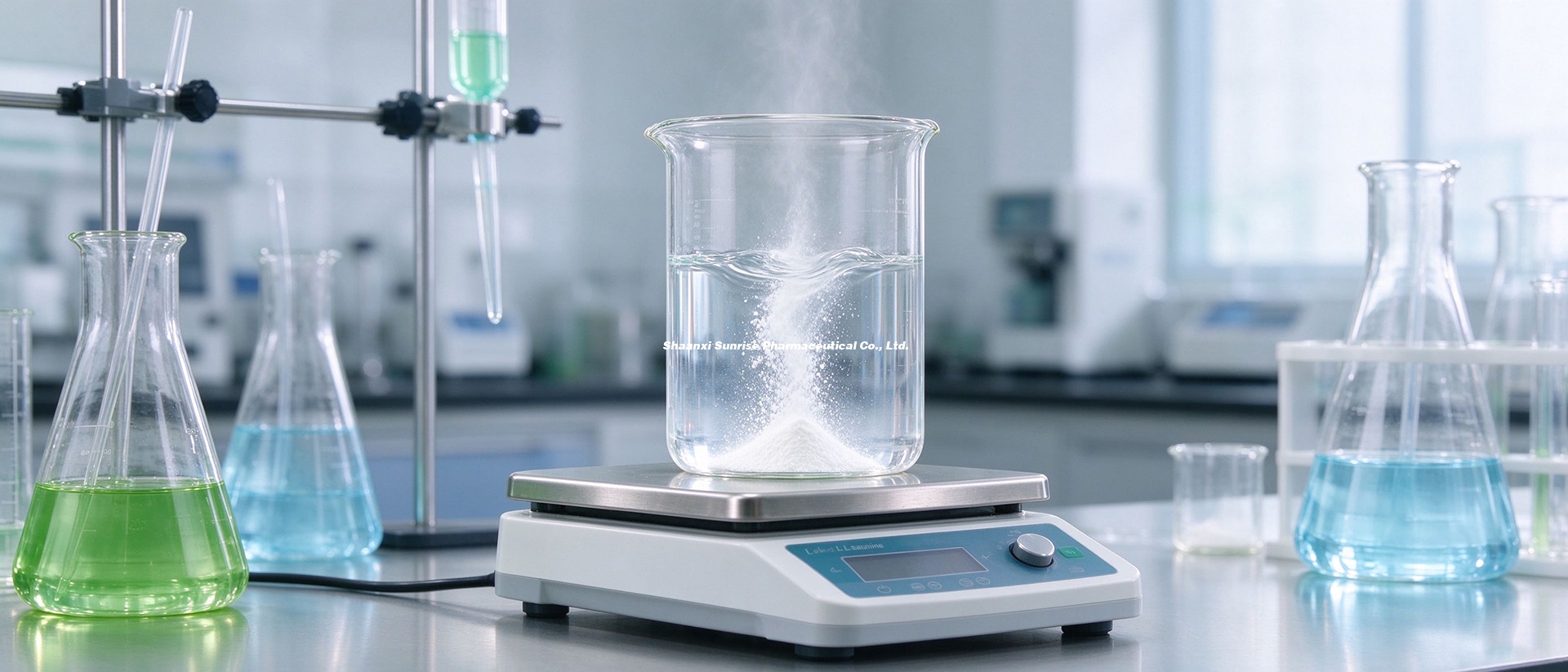
Unlike lipophilic extracts (like Piperine or Taxifolin) that require heavy solvents and make formulators pull their hair out, L-Theanine is a dream on the mixing floor. It is an amino acid. It dissolves completely and rapidly in cold water. It won't cloud up a clear beverage, it won't precipitate at the bottom of a can, and its natural taste is a very mild, pleasant umami/sweetness. You can literally dump it straight into an RTD (Ready-To-Drink) tank without any advanced emulsifiers.
Where Contract Manufacturers Are Deploying It
Because it is water-soluble, heat-stable (survives pasteurization), and highly bioavailable, L-Theanine 98% is dominating three major categories:
Nootropic & Focus Beverages: Stacked with 100mg-200mg of caffeine in clear, canned RTD drinks to provide smooth, sustained mental focus for gamers and professionals.
Sleep & Relaxation Waters: Formulated without caffeine, often alongside Magnesium or Chamomile, to promote Alpha brain waves and lower cortisol before bed.
Pre-Workout Powders: Added to extreme pre-workouts to take the "edge" off high-stimulant blends, preventing the post-gym crash and anxiety.
How to Audit an L-Theanine Supplier Without Getting Burned
Traders are getting very good at forging paperwork to make synthetic L-Theanine look natural. If a supplier gets defensive when you ask these questions, throw their quote in the trash.
Demand Carbon-14 (C14) Isotope Testing
This is the ultimate lie-detector in the botanical industry. Synthetic L-Theanine made from petroleum-derived precursors will have zero radioactive Carbon-14. Genuine green-tea-extracted L-Theanine will show modern, natural C14 levels. If you are building a "100% Natural" brand, demand C14 verification.
Check the Specific Rotation
As mentioned above, if they cannot provide a Specific Rotation reading between +7.5° to +8.5°, they are likely hiding a cheap synthetic D/L racemic mixture that your customers' bodies won't absorb properly.
Verify the Residual Solvents
We use clean water and ethanol extraction. Sloppy synthetic manufacturing relies on harsh chemical precursors like ethylamine. Ensure the COA proves no toxic industrial residues remain in the powder.
Iron Out Commercial Logistics
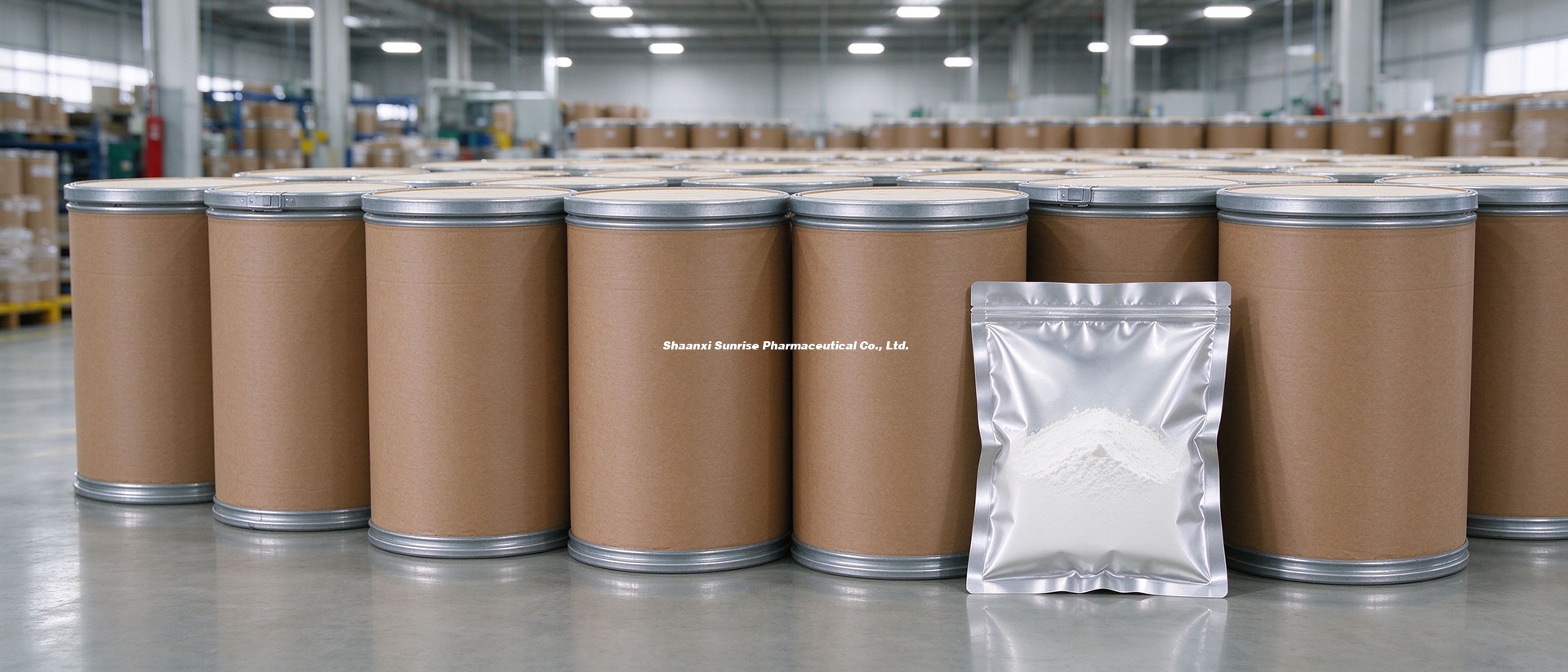
Scale matters. We pack in 1 kg foil bags for your bench trials and 25 kg fiber drums for full beverage runs. Ensure your supplier can handle multi-drum POs without sudden lead-time spikes when you move from prototype to production.
FAQ From the Formulation Bench
Will L-Theanine make my customers drowsy?
No. This is a common misconception. L-Theanine promotes Alpha brain waves, which are associated with a state of "wakeful relaxation" (like meditating). It does not induce Theta waves (sleep). It calms the mind without acting as a sedative.
Is it stable during beverage pasteurization?
Yes. L-Theanine is highly stable in acidic environments (low pH) and can easily survive standard high-temperature short-time (HTST) pasteurization processes used in commercial beverage manufacturing without degrading.
Why is natural Green Tea L-Theanine so much more expensive?
Because green tea leaves only contain about 1% to 2% L-Theanine by dry weight. It takes an enormous amount of raw tea leaves and precise extraction technology to yield a 98% pure powder. Synthetics cost pennies to make in a vat, but they don't belong on a clean label.
Do you sell finished Nootropic energy drinks?
No. We operate strictly as an upstream B2B botanical extraction factory. We supply the bulk 98% powder to beverage brands and contract manufacturers. We do not make retail goods.
Stop Paying Plant Prices for Synthetic Chemicals
If your brand is built on a "Clean Label" promise, you cannot risk formulating with synthetic or racemic L-Theanine. Review the exact biochemical specifications on our product page, or contact our procurement desk directly for specific rotation data and a sample.
View Product Specs & Request Sample